Last updated: November 25, 2026
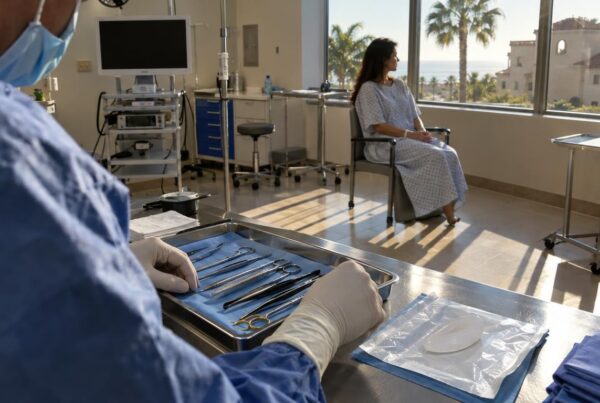
Facial fat transfer after 5 years can still provide facial volume, but the amount retained varies and may not match the result you saw after the first year. At Esthetica Orange County, we offer facial fat transfer for people who want to restore volume using their own tissue.
What Does Facial Fat Transfer Look Like After 5 Years?
Some transferred fat can continue to provide facial volume after five years, but no particular amount of fullness is guaranteed. A 2025 study in the Journal of Plastic, Reconstructive & Aesthetic Surgery followed patients after facial fat grafting and reported that measured graft volume continued to decline between the first and fifth years. That finding describes the patients studied; a photograph taken at one year cannot predict your own five-year fullness.
The researchers also assessed patient satisfaction, which is distinct from measured graft volume. How much fat remains does not, by itself, tell us how pleased you will be with your appearance.
Why Can Facial Fat Graft Volume Keep Changing Over Time?
Some transferred fat is reabsorbed during healing, so the amount injected does not predict the volume that will remain. After the first year, surviving fat can enlarge with weight gain or shrink with weight loss. Natural facial aging also continues, changing your contours even if grafted fat remains.
How Does Transferred Fat Establish a Blood Supply?
The American Society of Plastic Surgeons’ explanation of fat injections notes that grafted fat must redevelop a blood supply to survive. Carefully placing small portions of fat among the facial tissues gives them access to a new blood supply from surrounding tissue. Not every injected cell receives enough nourishment to survive.
How Does Facial Fat Transfer Work at Esthetica Orange County?
Facial fat transfer at Esthetica Orange County has three steps—liposuction, purification and injection—also outlined in Cosmeticare’s guide to fat transfer to the face:
- We collect fat from a suitable donor area with gentle, low-suction liposuction.
- We spin the collected material in a centrifuge to separate the fat cells from liquid and select usable cells.
- We inject the prepared fat into the planned facial areas to add volume and shape their contours.
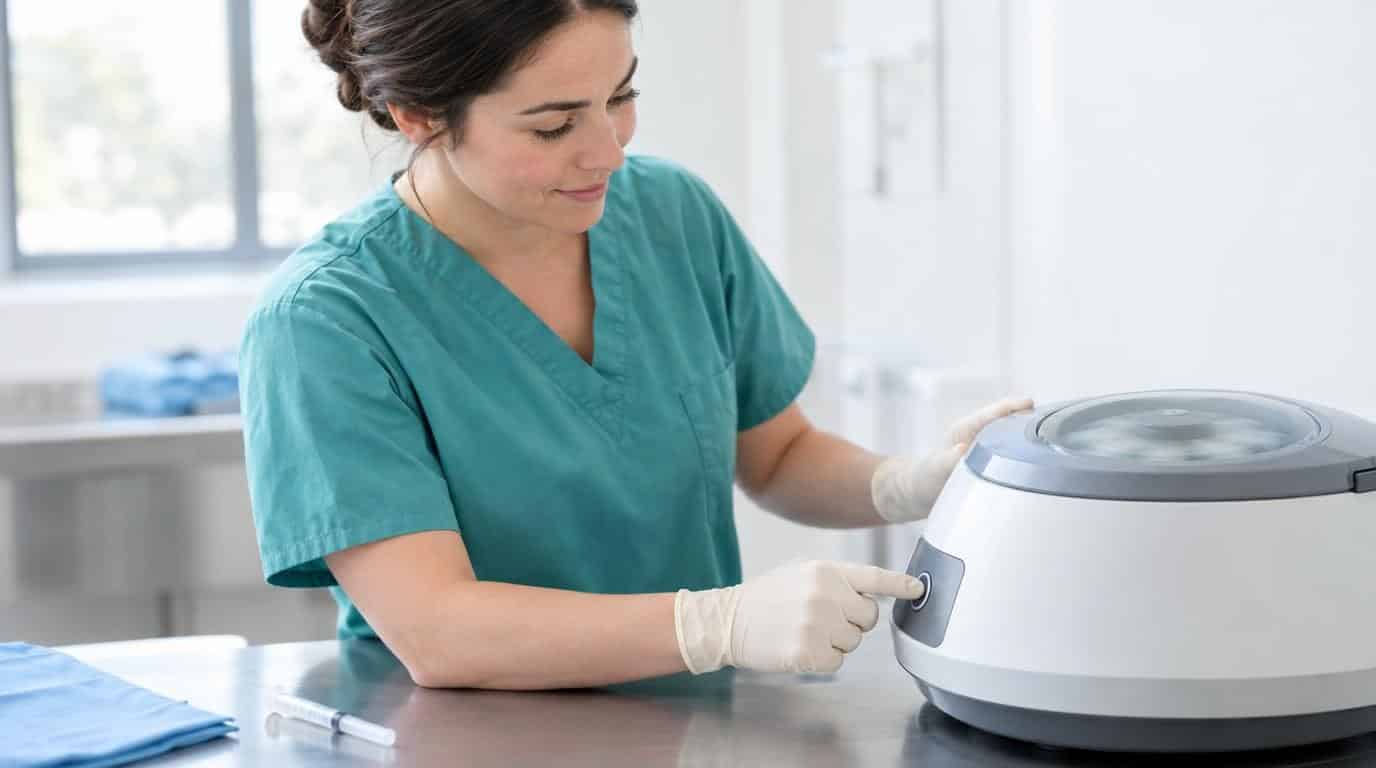
You’ll likely receive local anesthesia, which numbs the treatment areas while you remain awake; your anesthetic plan depends on your procedure. The American Board of Cosmetic Surgery’s facial fat grafting overview gives a general surgical-time estimate of 1–3 hours. Your procedure may take more or less time.
Where Does the Fat Come From?
Possible donor sites include the abdomen, buttocks, hips, flanks or thighs. The fat available and the planned facial treatment help determine which site is suitable.
What Happens Before the Fat Is Injected?
Our team removes damaged cells and reserves whole, cleansed fat cells for injection. This preparation does not guarantee that every injected cell will survive.
Who May Be a Good Candidate for Facial Fat Transfer?
An adult with facial volume loss, suitable donor fat and a preference for using their own tissue may be a candidate for facial fat transfer. Hollow cheeks or thinning lips are possible reasons to consider it. Suitability also depends on your health, facial anatomy and treatment goals.
Volume loss can contribute to facial hollowing with age or after weight loss. Patients comparing ways to address those changes can read more about facial volume loss after weight loss. Facial fat grafting restores volume but does not tighten skin or reposition deeper tissues; a facelift addresses sagging by lifting and repositioning tissue. The American Board of Cosmetic Surgery’s facelift guide explains that facelift results age naturally. A facelift may still make a difference ten years later, but aging continues and no particular ten-year appearance is guaranteed.
Which Facial Areas Can Benefit From Added Volume?
Depending on anatomy and goals, fat can add fullness to hollow cheeks, temples or lips and soften the appearance of some facial creases. Our guide to surgical and nonsurgical facial contouring options discusses approaches to both volume loss and sagging.
How Long Does It Take to Recover from Facial Fat Grafting?
Swelling and bruising at the donor area and face are usually mild and generally fade within a few days, although recovery varies. An article on the American Society of Plastic Surgeons’ site notes that swelling can last for two weeks.
When Can You Return to Normal Activities?
Many Esthetica Orange County patients resume normal daily activities within a day or two. The American Board of Cosmetic Surgery gives separate general estimates of 1–2 weeks to return to work and 4–6 weeks for full recovery. Your work demands and healing may affect when you can return; resuming daily activities does not mean you are ready for unrestricted activity.
When Should You Judge Your Results?
Judge your lasting result after several months: an article on the American Society of Plastic Surgeons’ site notes that lasting volume can take that long to settle. Fullness is visible right away, but swelling makes that early appearance misleading.
What Are the Risks, Side Effects, and Reasons to Avoid Facial Fat Transfer?
Swelling and bruising are expected after facial fat transfer, but complications are possible. There is a small risk of prolonged lumps or asymmetry that may need correction; contour irregularities or oil cysts can also occur. Fat embolism is rare but serious. Health concerns, unsuitable donor fat or goals better addressed by skin tightening may make another option more appropriate.
Which Complications Should You Discuss With Your Surgeon?
Discuss your health history, available donor fat, the possibility of uneven results and what a revision might involve with your own clinician before deciding on treatment. Seek urgent medical care for sudden vision changes, severe headache, new weakness, chest pain or difficulty breathing after an injection; do not wait for a routine follow-up if those symptoms occur.
How Does Facial Fat Transfer Compare With Dermal Fillers Over Five Years?
Facial fat transfer uses a patient’s own harvested fat and can provide volume for years, often longer than dermal fillers. Fillers do not require fat collection, while fat transfer adds a donor-site procedure and variable graft survival. Neither choice guarantees that facial contours will remain unchanged over five years as the face continues to age.
The main practical differences are:
| Consideration | Facial fat transfer | Dermal fillers |
|---|---|---|
| Procedure | Fat is harvested by liposuction, prepared and injected. | Filler is injected without harvesting fat. |
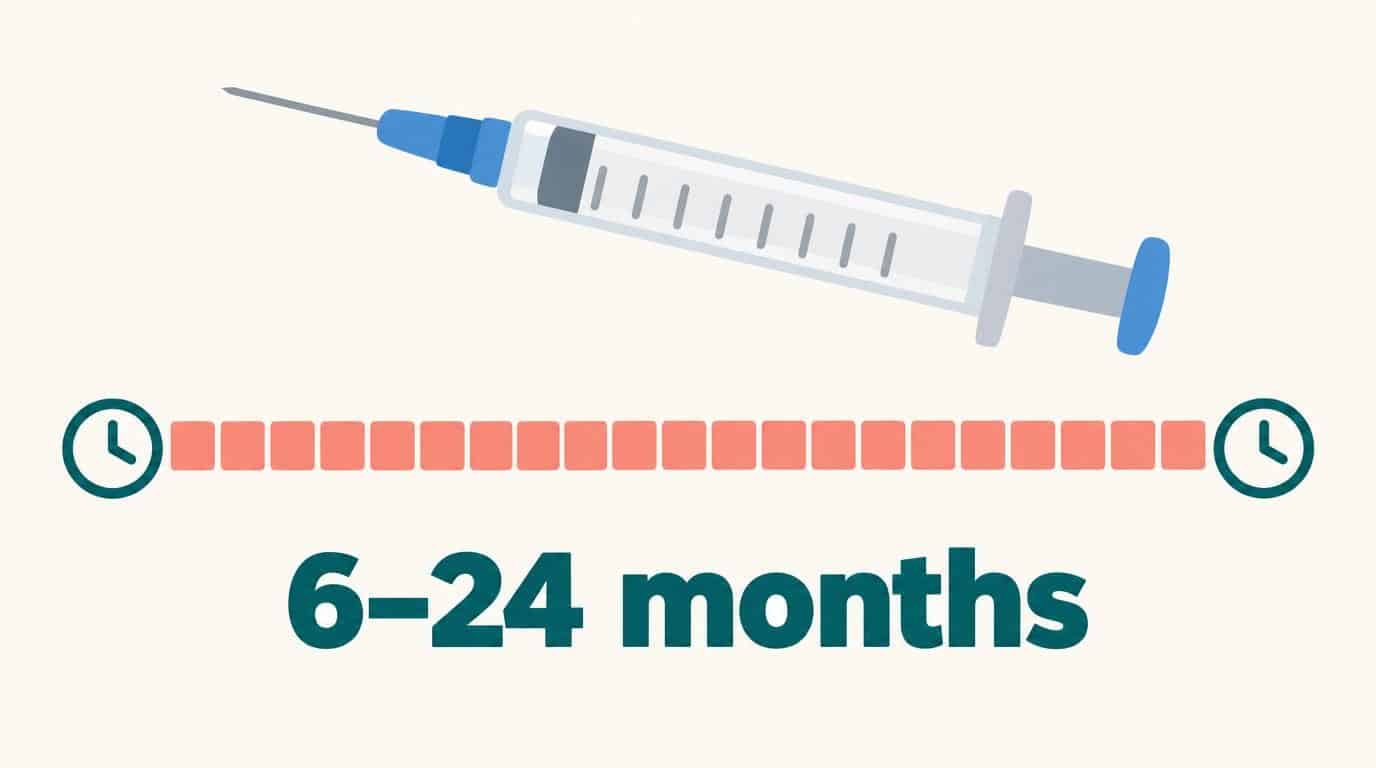
| Longevity | Surviving fat can provide volume for years, but retention varies. | The American Board of Cosmetic Surgery lists 6–24 months; duration varies by filler and patient. |
| Recovery and follow-up | Both donor and facial sites heal; a touch-up may be needed. | No donor site; maintenance treatments may be needed. |
At Esthetica Orange County, both dermal fillers and transferred fat are options for restoring facial volume.
Which Option Better Fits Your Goals?
Fillers may suit a small, targeted volume change without liposuction. Fat grafting can treat multiple facial areas in one session and may add larger amounts of volume than fillers.
When Might a Facial Fat Transfer Touch-Up Make Sense?
A facial fat transfer touch-up may be worth discussing if the settled volume falls short of your goals or later changes leave an area looking hollow again. Continued change through five years makes reassessment reasonable, but another procedure is not inevitable. A touch-up decision should reflect your current appearance and goals, not a preset date.
Does Everyone Need Another Procedure?
No. Some people remain pleased with their volume without further treatment; others may consider a staged addition once the initial result has settled.
Frequently Asked Questions
How much facial fat transfer is typically retained after one year?
The American Board of Cosmetic Surgery says to expect about 40-70% of transferred fat to remain after 12 months. That is a general expectation, not a prediction for your face. The amount present after one year does not guarantee the same volume at five years.
Can facial fat grafting be combined with a facelift?
Yes. A surgeon may combine fat grafting with a facelift when you want to restore lost volume and address sagging tissues. Whether both procedures are appropriate for you depends on your anatomy, health and goals.
How long should I avoid pressure on my face after fat transfer?
An article on the American Society of Plastic Surgeons’ site recommends avoiding direct pressure on injected areas for at least six weeks. That can affect sleeping position, eyewear and other everyday activities while the graft settles.
Will facial fat transfer leave scars?
Facial fat transfer can leave small scars because it involves fat harvesting and injection. The American Board of Cosmetic Surgery says the incisions used are typically 1-2 mm and leave minimal visible scarring.
Should I finish losing weight before facial fat transfer?
Reaching a stable weight before facial fat transfer is worth considering. An article on the American Society of Plastic Surgeons’ site cautions against trying to lose weight after grafting because it could jeopardize graft integration. Surviving fat can also shrink with weight loss, changing facial fullness.
How long does under-eye fat repositioning last?
Under-eye fat repositioning is intended as a long-lasting surgical change, but the tissues around your eyes continue to age, so no fixed number of years is guaranteed. It moves existing fat during lower eyelid surgery; fat transfer instead harvests fat elsewhere on your body and injects it to restore volume. An article from the American Academy of Ophthalmology describes lower eyelid surgery for bags and loose skin. Whether repositioning or transfer better addresses your concern depends on your anatomy.
Can facial fat transfer be dissolved if I do not like the result?
No. Transferred fat cannot be dissolved with the enzyme used to reverse hyaluronic acid fillers. An article from the American Academy of Ophthalmology notes that hyaluronic acid filler can be dissolved with hyaluronidase; grafted fat is your own tissue, not that type of filler.
What Should You Ask About Your Five-Year Results at a Consultation?
If you have had fat grafting before, bring photos of your first-year result and note any weight changes. Questions to ask Dr. Kouli include:
- Could the change I see be related to weight, ongoing facial aging or reduced graft volume?
- Would a fat-grafting touch-up help with the area that concerns me now?
- Would a dermal filler or a lifting procedure better address my current concern?
- If this would be my first transfer, how should I plan for donor-site recovery and the possibility of a later touch-up?
At our Newport Beach office, Dr. Wael Kouli, cosmetic surgeon and diplomate of the American Board of Cosmetic Surgery, can assess whether your concern is lost volume, skin laxity or both.
If you are considering facial fat transfer, contact Esthetica Orange County at (949) 721-1113 to arrange a consultation with Dr. Wael Kouli at our Newport Beach, California, office. We can discuss your anatomy, alternatives and realistic long-term expectations.
This information is general and is not medical advice. Talk to a licensed clinician about your own situation before making a treatment decision.
About the doctor at Esthetica Orange County
Dr. Wael Kouli – Cosmetic surgeon, diplomate of the American Board of Cosmetic Surgery.